
Navigating EPR: A Key Packaging Regulation Shaping the Future
What is EPR?
Extended Producer Responsibility (EPR) is an environmental policy framework that shifts the responsibility for collection, recycling, and proper disposal of products from governments and taxpayers to the manufacturers, brands, or importers who produce them. The main goal of EPR is to encourage eco-friendly product design, reduce landfill waste, and promote a circular economy by making producers accountable for the entire lifecycle of their products.
EPR, as referenced here, is specific to the United States and operates as a state-driven regulatory approach rather than a federal mandate. There is no single nationwide EPR law; instead, individual states establish their own frameworks and requirements. As of 2026, Maine, Oregon, Colorado, California, Minnesota, Maryland, and Washington have enacted EPR legislation for packaging.
EPR policies can apply to a broad range of product categories, including:
- Packaging and paper products
- Electronics and batteries
- Medical waste and pharmaceuticals
- Household hazardous waste
How Can Squid Ink Help?
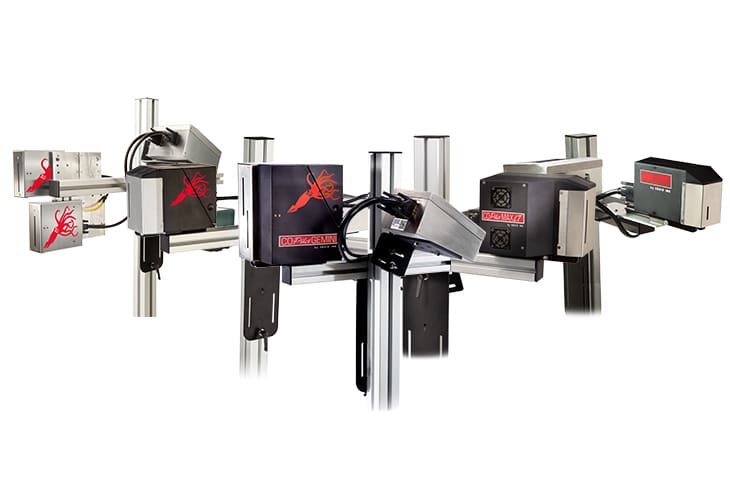
EPR is putting real pressure on brands to rethink packaging—not just materials, but traceability, recyclability, and compliance. That’s exactly where Squid Ink can play a meaningful role.
Here’s how:
1. Enabling Smarter Packaging with Precise Coding
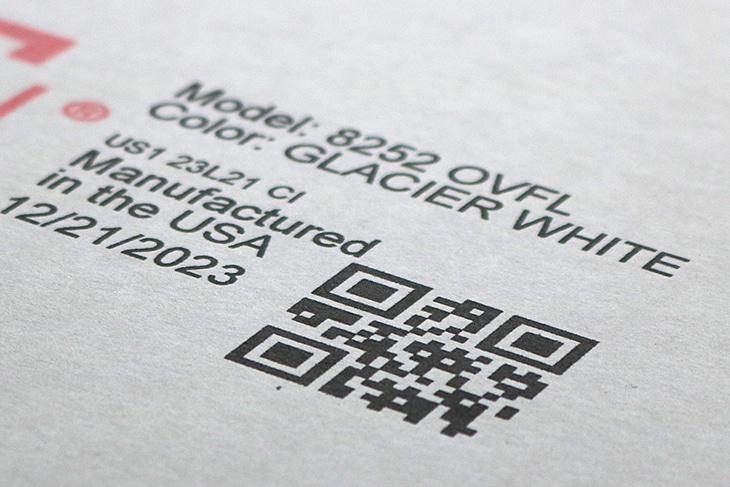
Squid Ink systems allow manufacturers to print high-resolution codes (barcodes, QR codes, batch data) directly onto packaging. This supports:
- Material identification for recycling streams
- QR codes for consumer disposal guidance
- Lot traceability for compliance reporting
👉 EPR methods increasingly require proof of what materials are used and where they end up—coding helps close that loop.
2. Supporting Packaging Reduction & Simplification
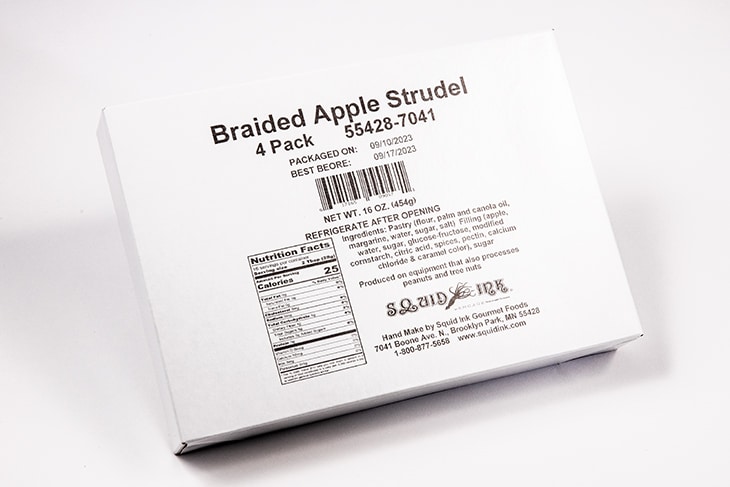
Instead of adding extra labels or inserts, Squid Ink can print directly on:
- Corrugate
- Flexible films
- Rigid containers
This helps brands:
- Reduce packaging components
- Eliminate secondary labels
- Lower overall material usage
👉 Less material = lower EPR fees in many regions.
3. Improving Operational Efficiency (Less Waste)
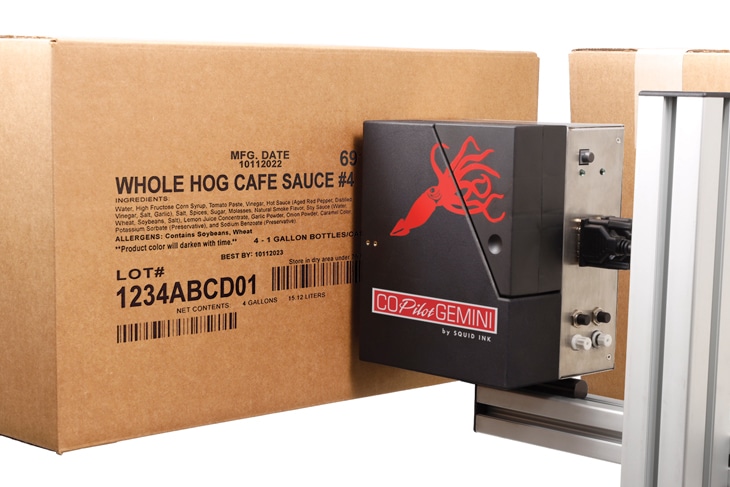
High-performance systems reduce:
- Misprints
- Downtime
- Product rejects
Consistent, accurate printing means fewer scrapped packages—which directly impacts sustainability metrics tied to EPR.
4. Ink Options Aligned with Sustainability Goals
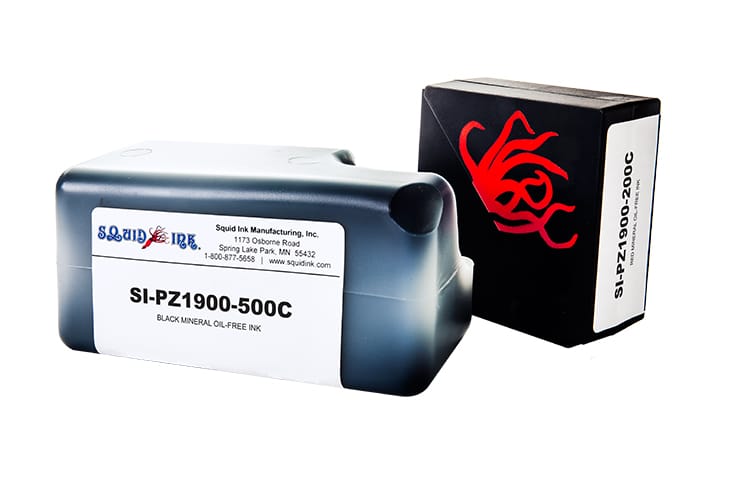
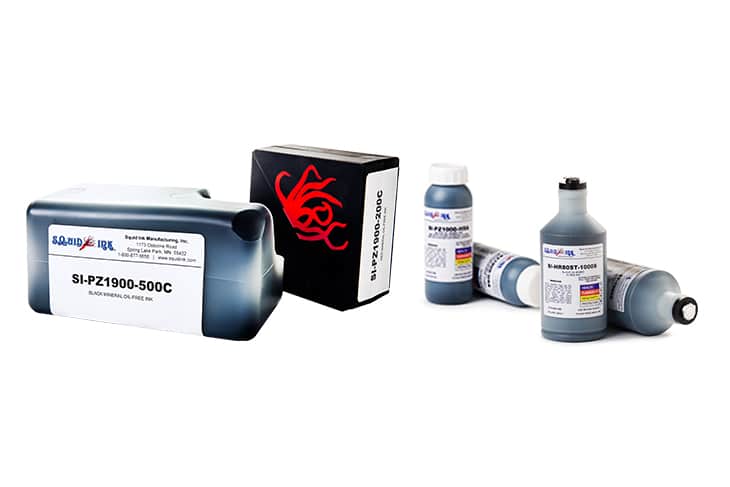
Depending on the application, Squid Ink offers inks that:
- Adhere to recyclable substrates
- Minimize contamination in recycling streams
- Support water-based or low-VOC formulations
👉 This is critical as EPR programs increasingly scrutinize not just packaging, but what’s on it.
As EPR regulations continue to expand across the United States, manufacturers need to stay ahead of the new regulations by adopting solutions that improve transparency, reduce material usage, and support recyclability. Squid Ink can help manufacturers navigate evolving EPR requirements while also driving efficiency and consistency across operations.
Ultimately, EPR isn’t just about meeting regulations, it’s an opportunity to build smarter, more sustainable packaging systems that benefit both businesses and the environment.
