
Print Batch Codes on Your Product with Squid Ink
What Is a Batch Code?
A batch code is a unique combination of letters and numbers assigned to a specific group of products manufactured at the same time and under the same production conditions. This code is typically printed or marked directly on the product, its packaging, or its container.
Batch codes serve as a product’s manufacturing fingerprint. They contain key production details that help manufacturers identify exactly when, where, and how a product was made.
Depending on the manufacturer and industry, a batch code may include:
- Production date
- Production time
- Manufacturing facility or location
- Production line number
- Shift or operator information
- Product formulation or recipe
- Lot or batch number
This information provides complete traceability throughout the product’s life cycle.
Why Are Batch Codes Important?
1. Product Traceability
If a quality issue arises, batch codes allow manufacturers to trace products throughout the supply chain. They can identify when a product was produced, where it was manufactured, which materials were used, and who was involved in production.
This level of visibility helps manufacturers maintain quality standards and quickly identify process issues before they become larger problems.
2. Faster and More Targeted Product Recalls
In the event of a defect, contamination, or safety concern, batch codes make recalls significantly more efficient. Rather than recalling all inventory, manufacturers can isolate and remove only the affected batch.
This targeted approach helps:
- Protect consumers
- Reduce waste
- Minimize financial losses
- Preserve brand reputation
- Resolve issues more quickly
3. Quality Control and Process Improvement
Batch codes help manufacturers monitor production consistency and identify trends over time. If defects or irregularities occur, the batch code can be used to determine the root cause and pinpoint where the issue originated.
This allows corrective actions to be implemented quickly, improving overall production quality.
4. Shelf-Life and Inventory Management
Batch codes often include information related to production dates and expiration periods, making inventory management easier and more accurate.
Businesses can:
- Track product age
- Monitor shelf life
- Rotate inventory using FIFO (First In, First Out) practices
- Remove expired products from circulation
5. Regulatory Compliance
Many industries are required to maintain product traceability to meet government regulations and industry standards.
Batch coding supports compliance in sectors such as:
- Food and beverage
- Pharmaceuticals
- Medical devices
- Cosmetics
- Chemical manufacturing
Proper batch coding helps organizations meet safety, quality, and record-keeping requirements.
6. Consumer Confidence
Batch codes also provide transparency for customers. They demonstrate that manufacturers have systems in place to track and verify product quality.
In industries where safety and reliability are critical, this transparency helps build trust and confidence in the brand.
What Information Is Included in a Batch Code?
The format of a batch code varies by manufacturer, but here’s a common example:
LOT: B240615A
| Code Element | Meaning |
| B | Production Line B |
| 26 | Year (2026) |
| 06 | Month (June) |
| 15 | Day of the Month |
| A | First Production Batch of the Day |
Using this code, a manufacturer can quickly determine exactly when and where the product was produced.
Where Are Batch Codes Printed?
Batch codes can be printed on a wide range of packaging materials and product surfaces. Common substrates include:
- Glass containers
- Plastic packaging
- Corrugated boxes
- Metal containers
- Bottle caps and closures
- Product labels
- Flexible packaging
Industrial inkjet printers, laser marking systems, and thermal printing technologies are commonly used to apply batch codes in manufacturing environments.
What Industries Use Batch Codes?
Batch coding is essential across many industries, including:
- Food and beverage
- Pharmaceuticals
- Medical devices
- Cosmetics and personal care products
- Chemical manufacturing
- Nutraceuticals and dietary supplements
- Consumer packaged goods (CPG)
Any industry that requires traceability, quality control, or regulatory compliance can benefit from effective batch coding practices.
What Are the Best Printers to Print Batch Codes?
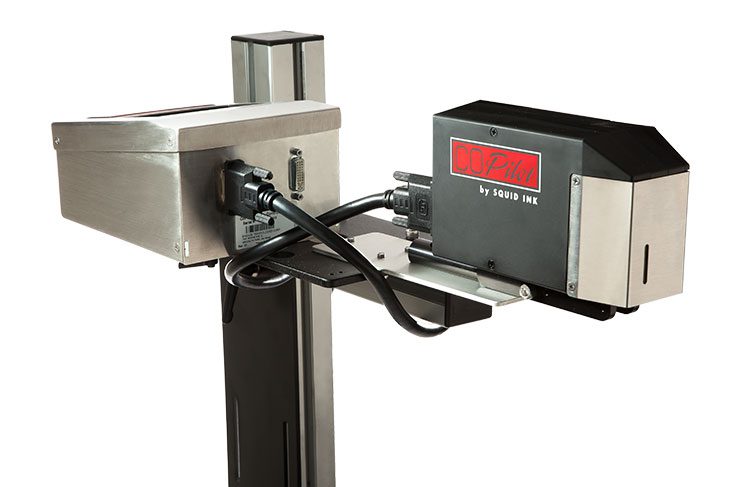
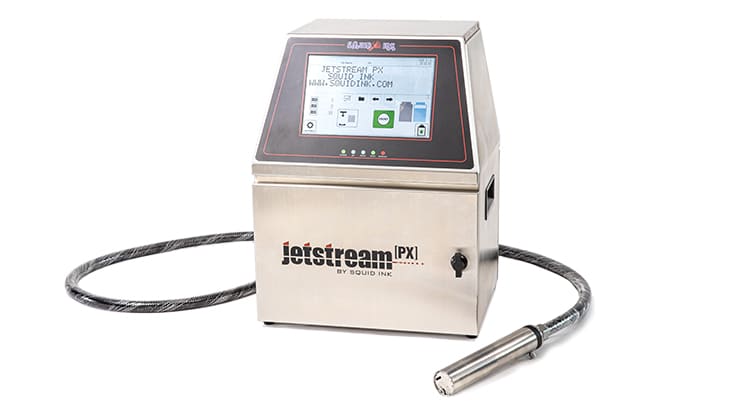
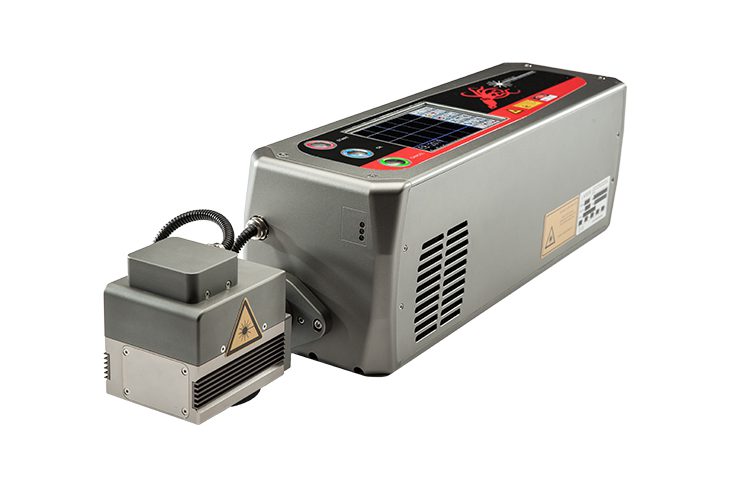
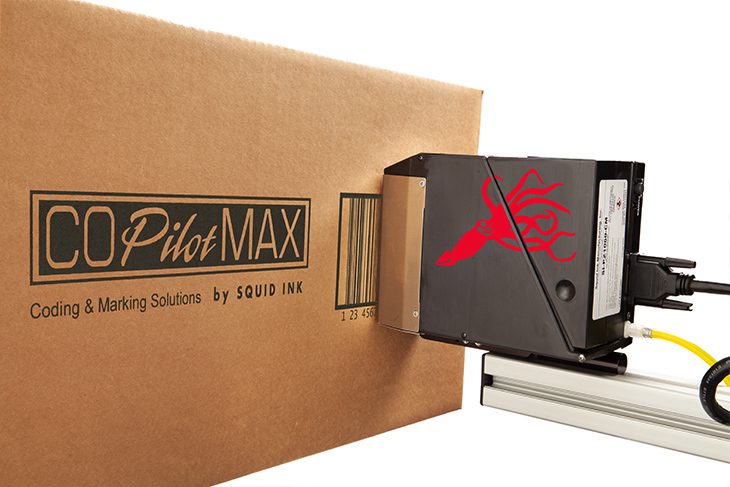
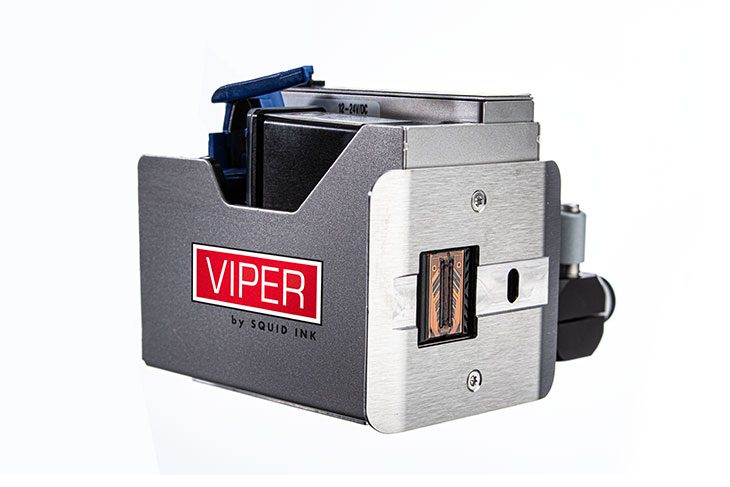
There are several factors to consider when picking out the right printer for your production line. What substrate will you be printing on and what are your speed requirements, are two of the main questions to consider. Squid Ink offers a range of industrial inkjet printers and laser coding options that will meet your needs and provide reliable, precise coding. It’s always best to reach out to a Squid Ink representative to walk you through what would work best for your specific needs. Below are a few printers that are excellent choices for batch coding.
Conclusion
Batch codes play a critical role in modern manufacturing by providing product traceability, supporting quality control, enabling efficient recalls, and helping businesses meet regulatory requirements. Whether you’re producing food, pharmaceuticals, cosmetics, or industrial products, batch codes help ensure transparency, safety, and operational efficiency throughout the supply chain.
As regulations become stricter and consumer expectations continue to rise, implementing a reliable batch coding system is no longer optional—it’s an essential part of maintaining product quality and protecting your brand.
